Stanford Sites, Enterprise Technology
Skills:
End-to-End Product Design & Execution
Design Systems & Scalable Solutions
Cross-functional Leadership
Stakeholder Management
Product Design | UX Research
I joined an amazingly talented team developing a website building and content management tool just as they were launching their first release—literally during QA week, right before code freeze. After shaking off the initial panic, I dove headfirst into understanding the technology through rapid analysis with the team. What started as analyzing an existing product quickly evolved into leading Product Design for the enterprise platform as we scaled beyond launch.
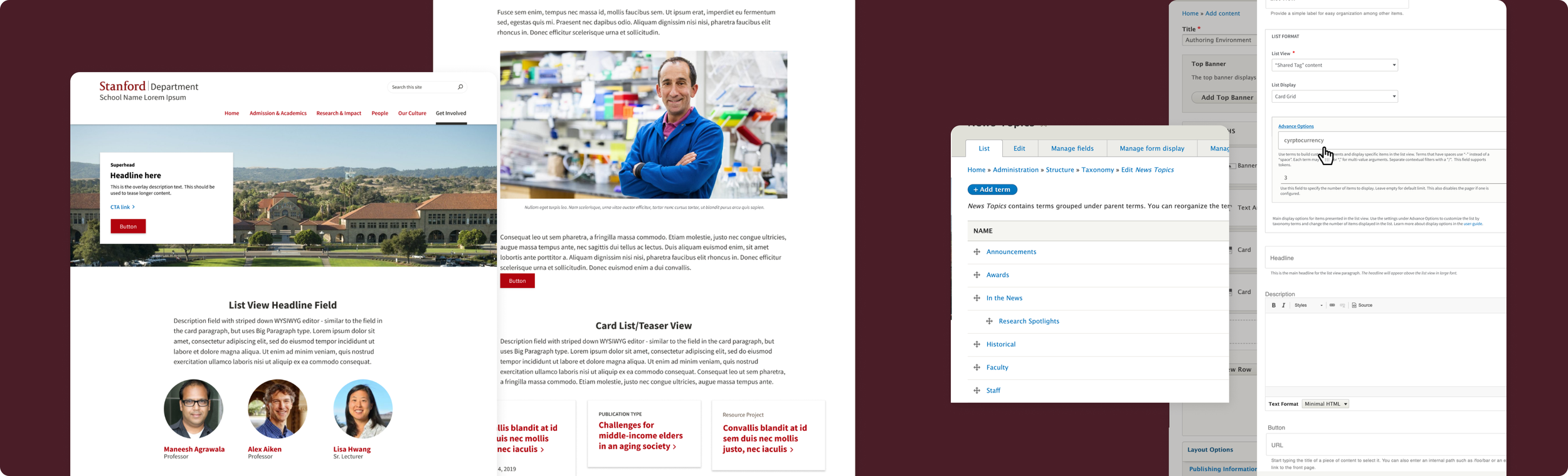
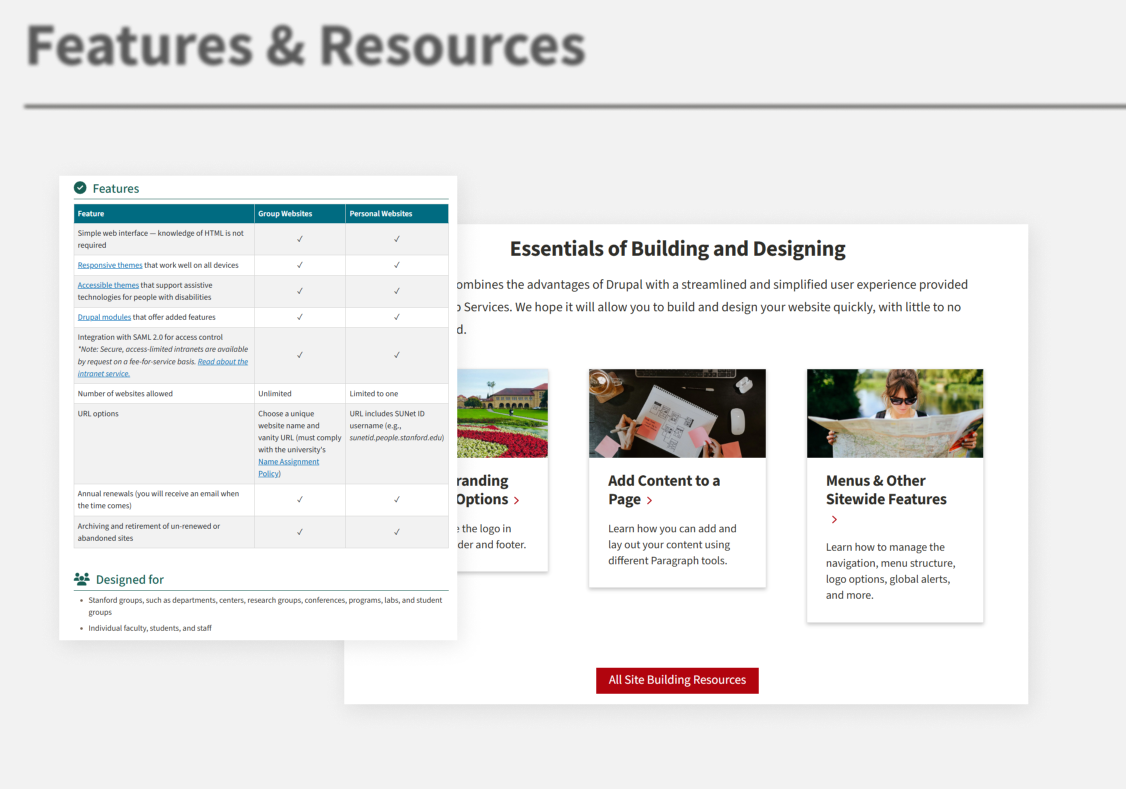
Beyond the usual complexities of building enterprise technology, we faced a critical migration deadline: helping 1400 live websites transition from unsupported legacy technology to our new tool… and fast.
Our platform had a completely different authoring experience and end-user interface than what clients were used to.
The catch?
We were essentially asking users to abandon familiar workflows for a modern, minimalist content management approach.
Approach
We approached this through a delicate balancing act: making a powerful, complex CMS feel intuitive and approachable while ensuring users could migrate their content and workflows without losing productivity.
Build for scalability and efficiency!
Establish the forest, empower flexibility in the trees
〰️
Establish the forest, empower flexibility in the trees 〰️
Design Strategy
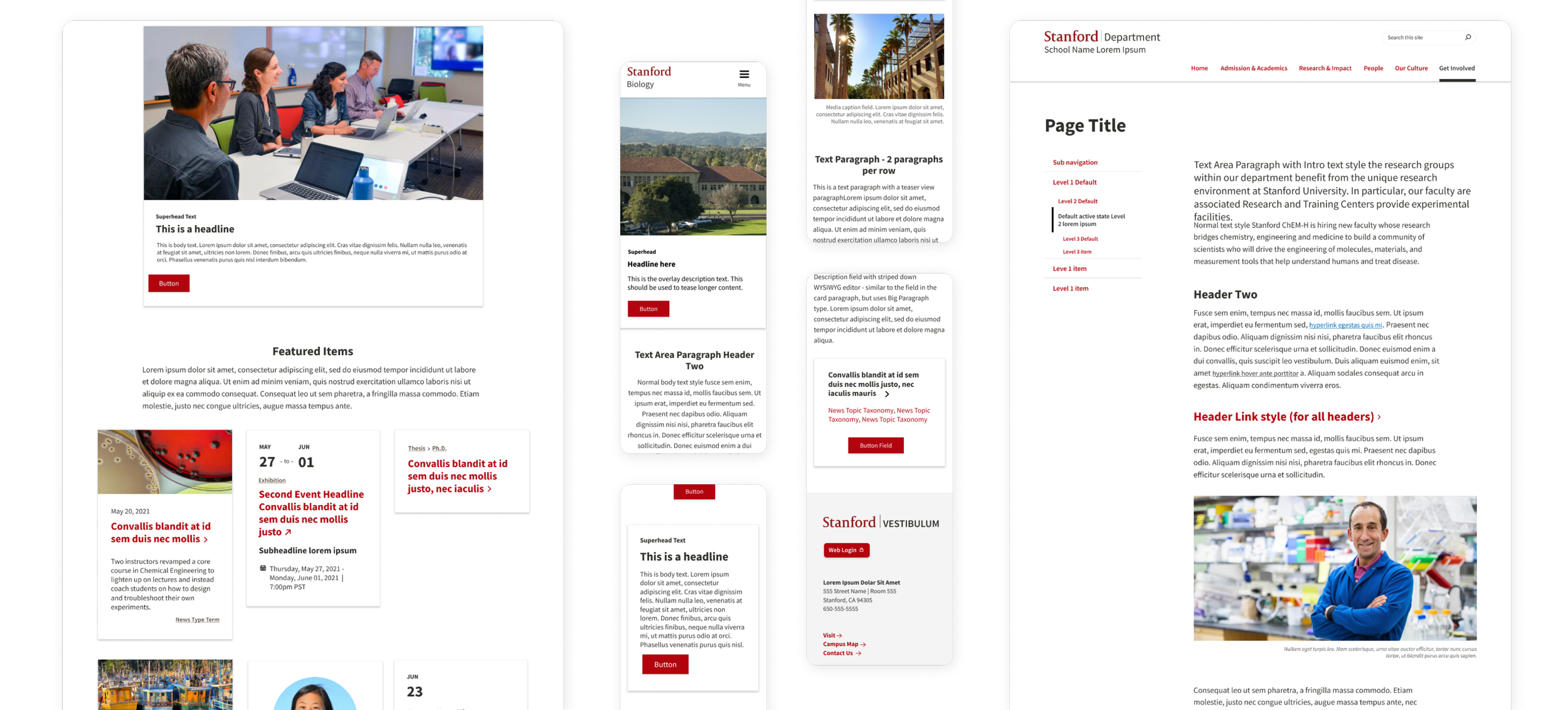
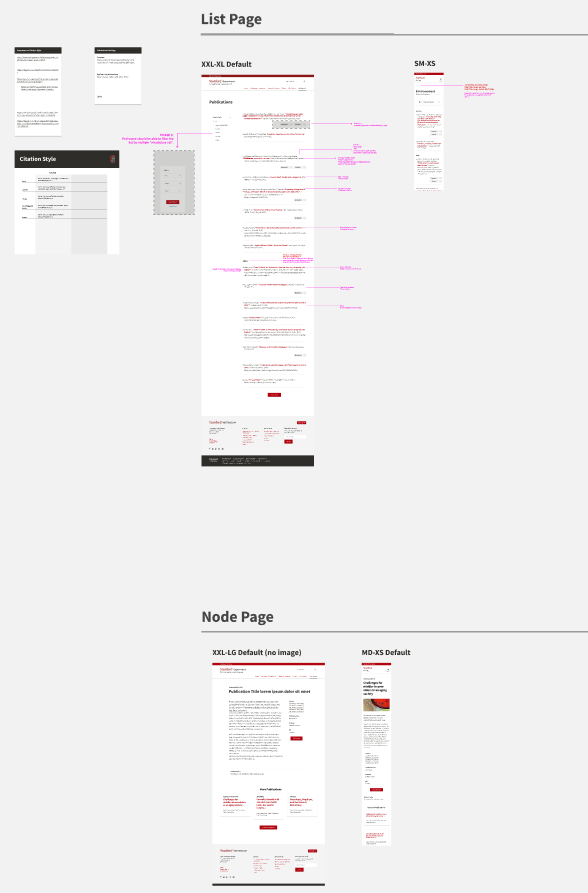
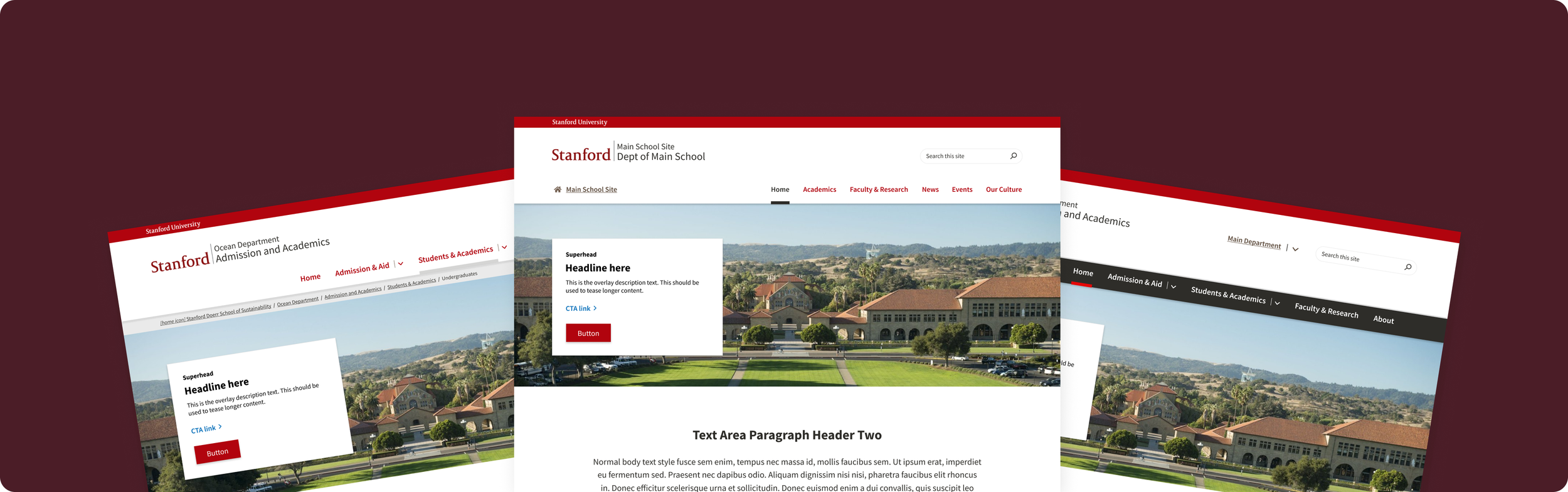
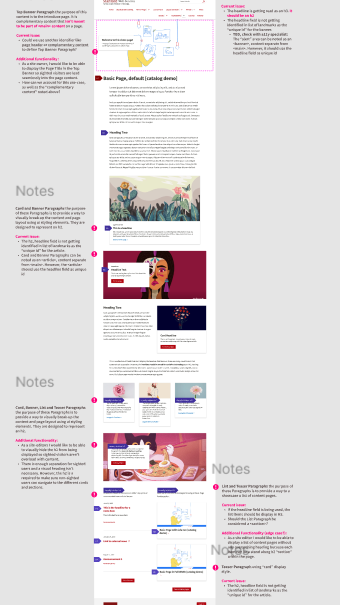
Knowing we needed to support a large user base with complex workflows, we focused on foundational components that could be reused across the platform—building a cohesive, scalable system.
Design for flexibility and modularity!
95%
served by the standard platform, component library
Results
4
custom implementations leveraged ~80% of our core components, requiring targeted solutions only for truly unique requirements.
The platform was positioned to scale to thousands of sites without proportional cost increases. The true validation of our "build for scalability" approach: ~95% of sites migrated smoothly using our standardized component library and workflows, requiring zero custom work.
Those requiring custom implementations were exactly the kind of edge cases we anticipated. These included organizations with:
distributed content channels
complex information hierarchies
multi-layered organizational structures
More Work